Getting lash extensions should feel like a luxury, but dealing with mysterious redness, itching, or swelling can quickly turn the experience stressful. For both clients and lash artists, figuring out whether a reaction stems from a true allergy or simple irritation is crucial. Confusing the two can lead to unnecessary removal of extensions or, worse, ignoring a worsening immune response.
The Core Difference: Allergy vs. Irritation
Understanding the physiological difference between these two reactions helps in determining the right course of action.
Lash Extension Irritation: This is a localized, non-immune reaction triggered by external factors like chemical fumes, mechanical friction, or minor trauma. It typically appears during or immediately after the appointment and resolves on its own within 24 to 48 hours.
Lash Extension Allergy: This is an immune system response. Once your body develops a sensitivity to a specific ingredient (most commonly cyanoacrylate), your immune system treats it as an invader. Allergic reactions usually worsen over time, often peaking 24 to 48 hours after application, and persist until the irritant is completely removed.
Common Symptoms Breakdown
Spotting the symptoms early allows clients and artists to troubleshoot effectively.
Irritation Symptoms
Mild redness or watery eyes during application (often caused by fumes or vapor exposure).
Slight discomfort that fades quickly once the room is aired out or eyes are rinsed.
Temporary dryness or scratchiness on the eyelid margin.
Allergy Symptoms
Severe itching along the lash line—often the hallmark sign of an allergy.
Noticeable swelling of the eyelids, sometimes making it difficult to open the eyes fully in the morning.
Persistent redness, flaking, hives, or a burning sensation that does not improve with time.
What Causes These Reactions?
Several components involved in the lash application process can trigger either irritation or allergies.
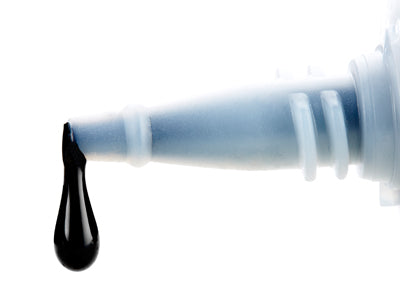
Adhesives:The holy grail of lash retention—cyanoacrylate—is the leading cause of true allergies. As the glue cures, it releases vapors that can irritate sensitive eyes if ventilation is poor.
Primers and Bonders: These products prep the natural lashes or cure the adhesive instantly. They often contain alcohol or fragrances that can dry out and irritate the delicate skin around the eyes.
Removers:Cream and gel removers contain strong solvents designed to break down hardened adhesive. If they seep into the eye during a removal process, they cause sharp, intense irritation.
Eye Pads and Tape: Physical friction or an allergy to the latex/gel components in under-eye pads can cause contact dermatitis on the lower lid.
Prevention and Minimization Strategies
Proactive steps can dramatically reduce the likelihood of adverse reactions for sensitive clients.
The Power of Patch Tests: While not 100% foolproof—since allergies can develop over time with repeated exposure—applying 5 to 10 extensions per eye 48 hours prior to a full set helps screen for immediate sensitivities.
Optimize Your Environment:Maintain proper humidity and use nano-misters or nebulizers appropriately to cure the adhesive faster, locking in fumes before they can cause vapor irritation.
Choose Sensitive-Friendly Formulas: Opt for low-fume, medical-grade adhesives or clear glues that lack carbon black pigment if clients have shown minor sensitivities in the past.
Strict Aftercare: Advise clients to keep lashes dry for the first 24 to 48 hours, avoid oil-based skincare products that break down adhesive bonds, and gently cleanse daily with a dedicated lash cleanser to prevent buildup.
Troubleshooting for Artists and Clients
If a reaction occurs, swift action is required. For minor irritation, a saline rinse, a cool compress, and an anti-allergy eye drop (if approved by a doctor) usually bring relief. However, if symptoms point to a true allergy—such as spreading swelling and intense itching—the extensions must be safely removed by a professional using a gentle removal cream, followed by a recommendation to consult an allergist or dermatologist.
By understanding the distinct boundaries between allergies and irritation, artists can build deeper trust with their clientele, ensuring safe, beautiful, and comfortable lash extensions every single time.
Have you ever experienced a sudden reaction to lash extensions, and how did you manage it?
GladGirl Team
Lashing out since 1981, GladGirl brings over 40 years experience to the beauty industry. The Eyelash Extensions Blog is our contribution to the advancement of professional skills and industry standards. Here you will find salon business articles, training resources, beauty tips and general health and wellness content.
Fill your lash and brow books from Halloween through New Year's. Five practical Wednesday Wink steps on pre-booking, online booking, Black Friday offers, quick party-ready services and protecting your time.
Meet Dixie Gladbach on Wednesday Wink: mentorship lessons, marketing tips, and how beauty pros build a brand that clients remember and book with you now.